
Bartering is one of the oldest economic systems in human history , it has transformed into a digital-first, global, and highly efficient swap economy.
Today, thousands of individuals and businesses trade goods, services, and excess inventory without cash, thanks to specialized online barter networks. Whether you’re a freelancer swapping skills, an SMB clearing inventory, or an entrepreneur building your own barter exchange marketplace, modern platforms make it easier than ever.
This guide covers:
- What Is a Barter Exchange Network?
- Benefits of Using Online Barter Networks
- The 15 most popular barter exchange networks
- How Online Barter Exchanges Work Today
- A step-by-step guide to building your own barter exchange
Let’s dive in.
1. What Is a Barter Exchange Network?
A barter exchange network is a digital platform that enables people or businesses to trade goods and services directly, either one-to-one or through a credit-based system.
Modern barter platforms offer:
- Digital currency or credits
- Ratings & verification
- Inventory/product listings
- Automated matching
- In-app messaging
- Mobile apps
This makes bartering faster, safer, and more scalable than traditional swap groups on Facebook or Craigslist. Learn the step-by-step process behind online bartering systems
2. Benefits of Using Online Barter Networks
1. Save money
You exchange unused resources instead of spending cash.
2. Clear inventory
Especially for retail & eCommerce businesses.
3. Reduce waste
Many networks focus on sustainable circular economy models.
4. Access new customers
Businesses often find new B2B clients inside barter ecosystems.
5. Lower tax complexity
Digital credits simplify documentation (though barter income may still be taxable depending on local laws).
3. The Top 15 Barter Exchange Networks
Below is the fresh, research-backed, fully rewritten list of the most impactful barter networks today.
1. Barter Network International (BNI)
BNI is a large-scale B2B barter ecosystem designed for businesses looking to move excess inventory, fill unused service hours, or expand into new customer segments. Members trade using a controlled digital currency, making multi-party exchanges seamless.
Best for: Small & medium businesses with surplus products or seasonal inventory
Unique Feature: Dedicated trade brokers who assist businesses with high-value swaps
2. BizX

BizX uses its own digital currency BizX Dollars to let companies buy or sell goods and services inside its network. It’s popular among restaurants, hotels, service businesses, and retail outlets.
Best for: Hospitality, retail, professional services
Unique Feature: Stable business currency used across all transactions
3. Craigslist Barter Category
Craigslist remains one of the most active peer-to-peer bartering communities. Users can filter listings under “Barter,” enabling simple item-for-item or service-for-service trades.
Best for: Local trades, hobbyists
Limitation: No verification or protection trade carefully
4. GoSwap.org
A niche platform focused primarily on permanent home swaps and real-estate related trades. Users can trade land, property, vacation homes, or rentals.
Best for: Real estate investors, homeowners
Unique Feature: Ability to list property for non-cash exchange deals
5. IMS Barter (International Monetary Systems)
IMS is a long-standing B2B bartering system helping companies trade excess products or spare capacity through their credit model.
Best for: Established businesses
Unique Feature: Physical broker offices + digital marketplace
6. Listia
A consumer marketplace where users earn Ink credits by listing items. Buyers bid using credits, creating a gamified swap ecosystem.
Best for: Individuals who want to declutter
Unique Feature: Earn credits through platform engagement
7. Rehash Clothing Exchange
A fashion-focused bartering platform where users can trade apparel, accessories, shoes, and more.
Best for: Fashion enthusiasts, sustainable shoppers
Unique Feature: Clothing-only specialization
8. SharedEarth
A land-use exchange where landowners connect with gardeners or farmers. Instead of money, produce is shared.
Best for: Urban gardeners, landowners
Unique Feature: Agriculture-focused barter ecosystem
9. Simbi
Simbi is a services-driven barter community where users exchange skills or use Simbi credits to pay for services from others.
Best for: Freelancers, creators, hobbyists
Unique Feature: Skill-based economy
10. Swap.com
A thrift and resale marketplace that supports barter-like exchanges, where users can purchase goods using store credit earned from their own items.
Best for: Budget shoppers
Unique Feature: Hybrid: resale + credit-based trading
11. SwapRight
A simple barter-exchange community for trading goods and services locally.
Best for: General users
Unique Feature: 100% free, no complex rules
12. TradeAway.com
Supports both bartering and direct buying. Users can list items or services and negotiate trades.
Best for: Casual traders
Unique Feature: Mobile app + browser-based system
13. TradeMade
A sustainability-focused bartering app (iOS only) where users can exchange goods/services with environmental impact scoring.
Best for: Eco-conscious consumers
Unique Feature: Environmental scoring for every trade
14. TradeStuff
TradeStuff allows multi-party trades — A gives to B, B gives to C, and so on — making complex exchanges seamless.
Best for: Users who struggle with one-to-one matching
Unique Feature: Chain trading system
15. U-Exchange
A global directory-based bartering platform where users post what they offer and what they need.
Best for: International trading
Unique Feature: Simple, location-based search for global swaps
4. How Online Barter Exchanges Work Today
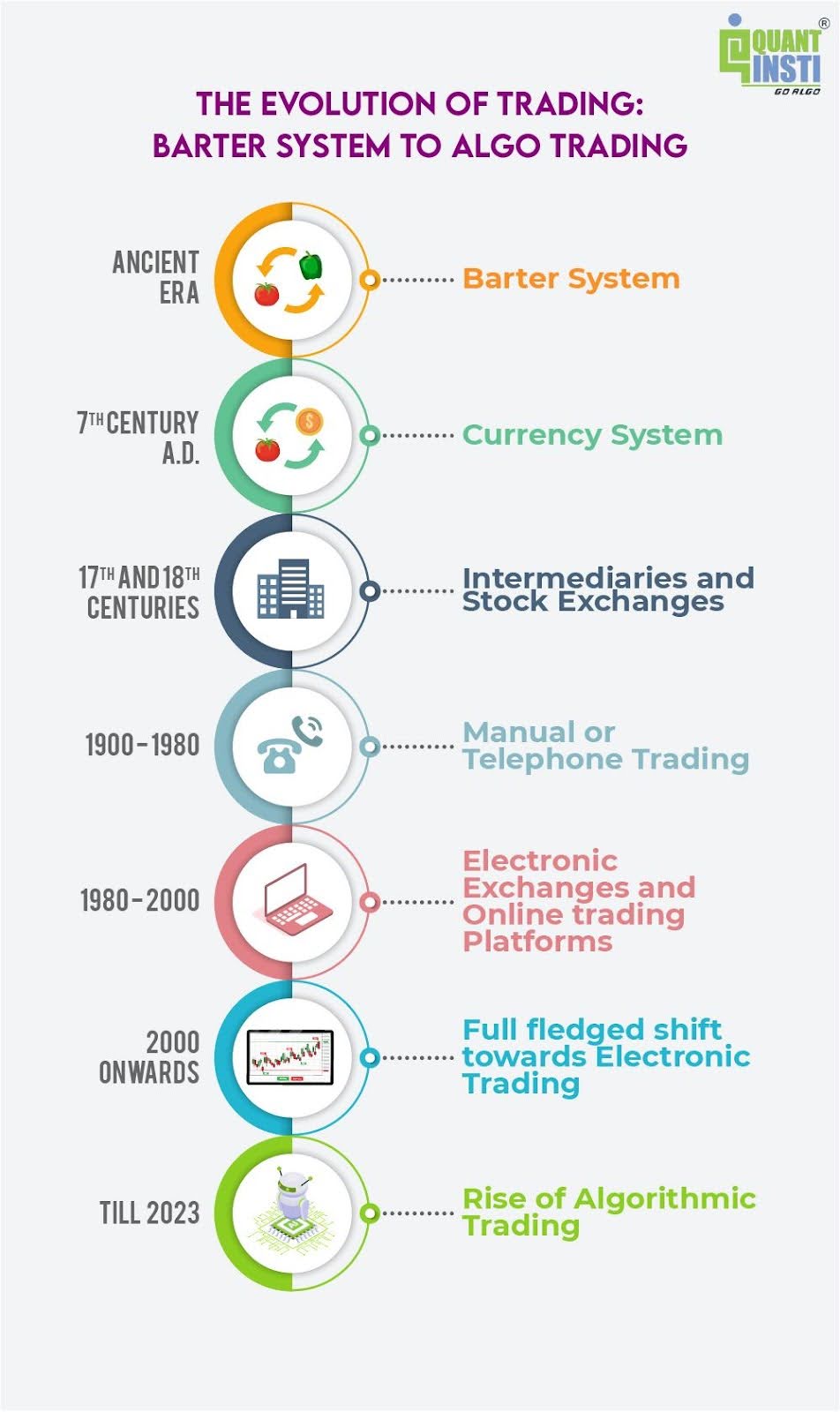
Modern Bartering Is Built on 3 Models:
1. Direct Swap (Item-for-Item or Service-for-Service)
Simplest form both parties agree on equal value.
2. Credit / Point-Based Trading
Users earn credits by giving, and spend credits on others’ items.
3. Multi-Party Chain Trades
A gives to B → B gives to C → C gives to A.
Platforms like TradeStuff excel in this area.
5. How to Create Your Own Barter Exchange Network
If you want to build your own online barter marketplace, you need:
- A listing system
- Digital currency module
- User verification
- Trade tracking
- Escrow-like logic
- Dispute resolution
- Ratings
- Mobile apps
- Admin dashboard
- Revenue model (subscriptions, credits, commissions, etc.)
Building a barter exchange requires nine core components, each serving a specific purpose in enabling secure, scalable, high-trust trade.
1. A Robust Listing System
This is the backbone of your marketplace. A proper listing system must allow users to:
- Create product/service listings
- Add images, descriptions, pricing (in trade credits), and categories
- Set availability, quantity, and trade conditions
- Update listings dynamically based on live stock
Advanced features that increase conversions:
- Smart categorization
- AI-suggested pricing
- Location-based searches
- Filters (new/used, business type, proximity)
- Auto-expire and re-listing options
A weak listing system = low engagement + incomplete inventories.
2. Digital Currency Module
Every barter network must run on a closed-loop currency, typically called “trade credits.”
Your digital currency system must include:
- Secure digital wallet
- Credit earning and spending logic
- Credit purchase gateway (when users need extra credits)
- Credit expiration rules (optional)
- Adjustable conversion rate (1 credit = $1 or custom)
- Ledger entries for every transaction
This module ensures the network remains cashless, controlled, and economically stable.
3. User Verification & Compliance
You are dealing with a financial-like system, so identity verification is essential.
A professional exchange requires:
- Email + phone verification
- Business registration (GST, EIN, etc.) for B2B networks
- Document uploads (ID proof)
- AI-driven facial match (optional)
- Tiered verification for higher trade limits
This prevents scams, ghost accounts, and non-serious users.
4. Trade Tracking & Transaction Ledger
Every barter transaction must be logged with:
- Buyer
- Seller
- Items traded
- Trade credit amount
- Timestamp
- Invoice or receipt
A transparent ledger helps you with:
- Tax compliance
- Audit trails
- Dispute management
- Fraud detection
Think of it as the “banking system” for your barter network.
5. Escrow-Style Logic for Safe Trades
To avoid disputes, your system should temporarily hold trade credits until:
- The seller confirms delivery
- The buyer confirms satisfaction
- The system releases credits automatically
This protects both parties and reduces marketplace risk.
Advanced additions include:
- Milestone-based escrow for complex services
- Automated release timelines
- Partial refunds
6. Dispute Resolution Workflow
No platform is 100% dispute-free.
You must include a resolution system with:
- Ticket creation
- Evidence submission (photos, chat logs, timelines)
- Admin review dashboard
- Automated guidelines for common cases
- Compensation logic (refunds / credit adjustments)
A strong dispute system keeps trust high and churn low.
7. Ratings, Reviews & Reputation System
A credible barter marketplace needs a transparent reputation mechanism. It should capture:
- Transaction rating (1–5)
- Written feedback
- Attributes (communication, quality, delivery time)
- Trade history visibility
- Verified buyer/seller badges
Reputation builds social proof and encourages repeat trades.
8. Mobile Apps for Real-Time Trading
Modern barter exchanges grow 2–3x faster when mobile apps are included because users want:
- Instant notifications
- Chat-based negotiations
- Location-driven matches
- Quick approvals and listings
Mobile enhances liquidity, the number one success factor for barter networks.
9. Admin Dashboard & Revenue Model
Your admin panel must allow you to manage the entire ecosystem:
- Users and verification
- Listings & categories
- Currency supply
- Disputes & fraud detection
- Commission rules
- Analytics and financial reports
Common revenue models include:
- Membership fees
- Transaction commissions (5–12%)
- Credit purchase fees
- Premium visibility
- White-label licensing
A well-structured admin ecosystem ensures scalability and governance.
6. iScripts eSwap :The Most Complete Barter Exchange Builder
iScripts eSwap is an all-in-one barter exchange software designed for entrepreneurs who want to launch a fully functional swapping or credit-based marketplace without building everything from scratch. It includes every operational component required to run platforms similar to Swap.com, U-Exchange, and other dedicated barter or exchange networks complete with item listings, digital trade credits, escrow-style protection, user verification, dispute workflows, and mobile-ready interfaces. Unlike generic marketplace scripts, iScripts eSwap is purpose-built for barter economics, allowing you to support multi-category exchanges, B2C or C2C swap models, and even hybrid systems that combine cash and credits. The platform is fully customizable, making it ideal for founders who want to scale from a small community exchange to a regional or national barter ecosystem while maintaining complete control over branding, revenue models, and feature enhancements.
Check : Steps for Creating a Barter Network
FAQs
2. How do digital barter credits work?
3. Is a barter exchange legal?
4. How do barter exchanges make money?
5. Who uses barter marketplaces?
9. How do I prevent fraud in a barter marketplace?
Ready to create your own barter or swap site?
Choose to use the software as-is, add on to your software using our team of programmers, or even select a white-labeled version for your added convenience. Technology has developed its way to swap the traditional bartering of an online system.
For more information or questions related to how you can take advantage of the platform, contact us at (312) 423-6728 or email to sales@iscripts.com
We can modify and tweak the script and add any additional features or site design changes. Just tell us your thoughts and any budget specifics or limitations. We will work with you to provide the best options!

Check out iScripts eSwap demo