Introduction
Imagine serving hundreds of meals every week, attracting loyal customers, and receiving a steady stream of online orders- yet watching a significant portion of your revenue disappear before it reaches your bank account.
That’s the deal for lots of restaurants depending on those third-party food delivery sites. Yeah, these sites give restaurants extra exposure and make it easier for customers, but the catch? Sky-high commissions, not much control over the clients you earn from, and strict rules that stunt your growth in the long run.
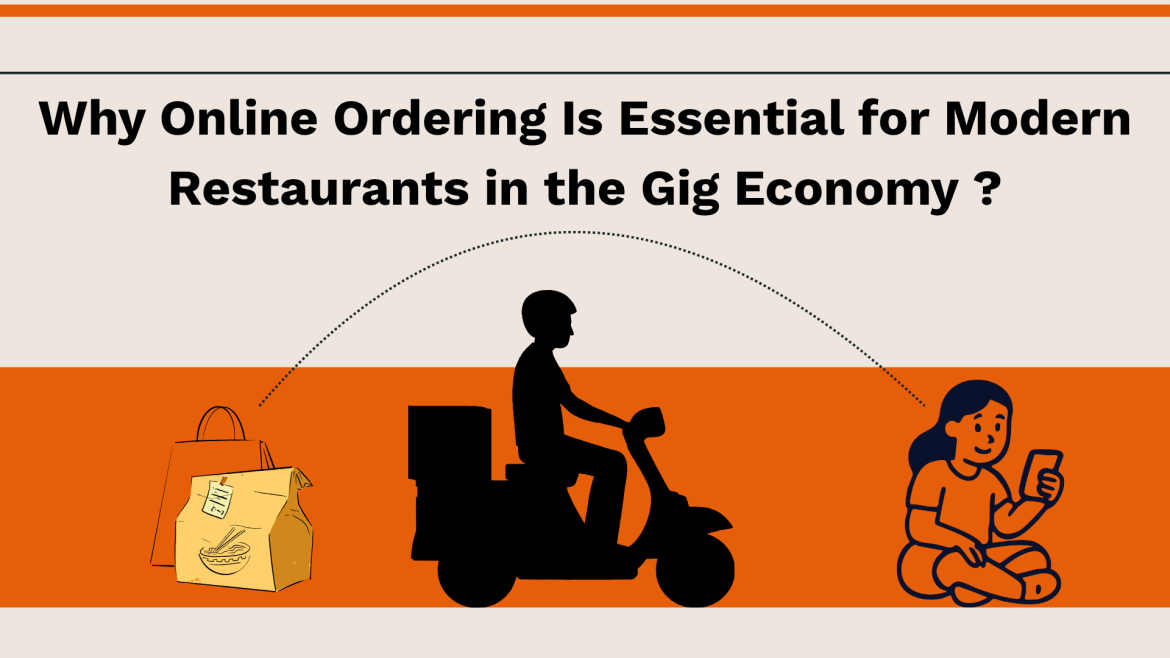
Today’s diners expect the ease of online ordering. So the real question isn’t if your restaurant should have it, but if you should use another platform or go with your own site. Restaurants that create their own ordering sites find that handling orders directly leads to more cash, stronger customer connections, and greater control over their business.
The Online Ordering Boom Isn’t Slowing Down
Consumer habits have shifted drastically in the past ten years. Now, ordering food online is totally routine. People expect easy-to-use menu options, smooth payments, and hassle-free delivery or pick-up. With online ordering getting bigger each day, restaurants must decide their next move.
Should they stick with third-party sites or set up their own direct-order channels to gain full control over the customer experience?
Restaurants that do well realize online ordering boosts revenue, not just serves as a handy add-on.
Why Third-Party Platforms Are Not Enough
Food delivery platforms offer restaurants perks such as expanding their customer base and increasing orders. Still, lots of restaurant owners find these sites also bring problems that cut into profits.
1. High Commission Fees Eat Into Profits
The huge concern is the commission charged on each order. Platforms and different service levels can cause restaurants to lose a significant share of every sale. With already tight margins, these fees seriously cut into profitability. A restaurant might be bustling, yet busyness doesn’t guarantee profit.
2. You are Building Someone Else’s Business
When customers order through third-party apps, those platforms, not the restaurant, build relationships with the customers. People recall the app they used, not the place that served the food. So, restaurants constantly struggle for visibility on turf they can’t control.
3. Limited Customer Information
Customer data is super valuable in today’s digital world. But when orders come through third-party services, restaurants only get basic info. This lack of detailed customer insights makes it hard to personalize experiences or create good marketing campaigns.
The Business Advantages of Having Your Own Ordering Website
A restaurant ordering website is more than an online menu. It is a powerful sales and marketing tool that helps restaurants generate more revenue while building lasting customer relationships.
1. Keep More of Every Sale
Improved profit margins are the main perk. When customers order straight from your site, you cut out or slash third-party platform fees. The cash saved could then go toward better food, more staff, boosting marketing, expanding operations or making customer experiences top-notch. Over time, all this can really boost your bottom line.
2. Turn First-Time Customers Into Loyal Customers
Getting new customers costs a lot. Keeping existing ones is usually way more profitable. A dedicated ordering site lets restaurants build customer loyalty with things like loyalty programs, reward points, birthday deals, exclusive discounts, and personalized suggestions. Instead of starting over each time, they can grow a regular crowd that keeps coming back.
3. Strengthen Your Brand Identity
Brand recognition really boosts customer loyalty. When customers order from a marketplace, they see your restaurant alongside tons of competitors. It’s easier to compare prices, making it tough to stay loyal. With a branded ordering site, you can showcase your restaurant’s unique vibe and values. This lets you connect more deeply with customers. Every touchpoint is about strengthening your brand alone, not sharing the spotlight.
4. Gain Full Control Over the Customer Experience
Customer experience determines whether a guest comes back. With your own ordering site, you control the menu, product info, promotions, ordering process, payment choices, delivery options, and customer communication. This lets you create a smooth ordering experience that perfectly fits your business goals.
Direct Ordering Leads to Higher Average Order Values
One overlooked advantage of a dedicated ordering website is the ability to increase average order values. Customers can be encouraged to add extra items through strategic upselling and cross-selling opportunities. Small increases in average order value can have a significant impact on overall revenue over time. Examples include:
- Meal upgrades
- Beverage suggestions
- Dessert recommendations
- Family meal bundles
- Limited-time specials
Customer Data: The New Restaurant Currency
Modern businesses thrive on data, and restaurants are no exception. When customers order directly through your website, valuable information becomes available, including:
- Purchase history
- Favourite menu items
- Ordering frequency
- Preferred delivery times
- Customer demographics
This information helps restaurants make smarter decisions about marketing, promotions, and menu development. Instead of guessing what customers want, restaurants can make data-driven decisions that increase sales.
Restaurants Need Their Own Ordering Website
Marketing Becomes More Effective
Marketing is far more powerful when restaurants own the customer relationship. A direct ordering website allows restaurants to build marketing channels such as:
- Email Marketing: Send promotions, special offers, and announcements directly to customers who have already shown interest in your restaurant.
- SMS Campaigns: Reach customers instantly with limited-time deals and order updates.
- Loyalty Campaigns: Reward repeat customers and encourage more frequent purchases.
- Seasonal Promotions: Promote holiday menus, special events, and new offerings without paying additional advertising fees to a marketplace platform.
Better Insights Lead to Better Decisions
Restaurant owners make tons of decisions each month. A dedicated ordering site offers key data, too – top sellers, busy times, how often customers come back, how ads perform, and revenue trends. This info helps spot ways to grow and cuts out guessing in decisions.
Preparing for the Future of Restaurant Commerce
Consumer expectations keep evolving. Now, diners want:
- Mobile-friendly ordering
- Quick checkouts
- Secure online payments
- Flexible delivery options
- Personalized recommendations
Restaurants that have their own digital ordering channels can better adapt to customer preferences and market changes. Instead of letting external sites control their fate, they get the freedom to develop and expand on their terms. The real question isn’t whether you need an ordering website. The restaurant world’s shifted online big time. Now diners look for easy, speedy access to their go-to spots. It’s less about whether your joint should have online ordering. It’s more about how much money you’re cool with losing by dodging it. Each direct order means you can rake in extra cash, bond tighter with customers, and solidify your business’s future.
Conclusion
A restaurant’s success isn’t determined just by the food anymore. In today’s tough competition, it matters how well they connect with customers online. Having your own ordering site helps too. It reduces commission costs, boosts profits, builds brand recognition, gathers important customer info, and creates awesome dining experiences.
While third-party platforms offer some visibility, a personal ordering site is way better. It lets restaurants build direct relationships with customers and ensure sustained profits. So, if you want to increase revenue, build customer loyalty, and gain more control over your future, setting up your dedicated ordering website is a super smart move.
Ready to turn more orders into profits?
Discover how iScripts NetMenus Enterprise can help you build your own branded online ordering website.