
To understand what truly works in last-mile delivery, it’s not enough to list strategies we need to see how real brands execute them, what went wrong, and what actually moved the needle. Below are modern, insight-driven case studies showing how retailers and restaurants are adapting last-mile logistics to meet customer expectations.
Case Study 1: Domino’s — Turning Delivery Into a Technology Advantage
Domino’s transformed itself from a food chain to a logistics technology company disguised as a pizza brand.
What They Did
- Built an in-house delivery tracking system with live driver location.
- Launched AI-assisted order processing and smart route optimization.
- Introduced “Carside Delivery” to reduce last-mile friction for customers who prefer pickup.
Why It Worked
Domino’s understood that their competitive edge is speed + transparency. By owning the delivery stack end-to-end, they eliminated the uncertainties that plague restaurant deliveries (lost drivers, delayed orders, inconsistent ETAs).
Owning the delivery workflow gives restaurants predictable performance and a better customer experience than relying on third-party apps.
Case Study 2: Walmart Micro-Fulfillment for Ultra-Fast Local Delivery
Walmart had a very specific challenge: How to deliver online orders faster than Amazon without building more warehouses?
What They Did
- Converted select stores into micro-fulfillment centers.
- Used automation and AI forecasting to preload frequently ordered SKUs.
- Activated Spark Driver, a crowdsourced delivery network covering 84% of U.S. households.
Result
Walmart reduced delivery times drastically while keeping operational costs in check. Store-based fulfillment cut the distance between product and customer the biggest cost driver in last-mile logistics.
Your store can double as a fulfillment node. The closer inventory is to customers, the cheaper and faster the last mile becomes.
Case Study 3: Blinkit (India) — The Dark Store Model That Redefined “Instant”
Blinkit scaled rapidly using a network of neighborhood dark stores, enabling 10–20 minute delivery.
What They Did
- Built 2–3 km service zones to guarantee hyperlocal speed.
- Used real-time inventory visibility across dark stores.
- Adopted a demand-prediction engine to stock each store with only high-velocity items.
Why It Worked
Blinkit perfected the “instant commerce” model by engineering every step — from SKU selection to rider speed — around one goal: hyperlocal delivery efficiency.
Speed isn’t magic — it’s a combination of inventory placement, tight delivery radiuses, and algorithmic batching.
Case Study 4: Starbucks — Pickup-Optimized Stores for Delivery Efficiency
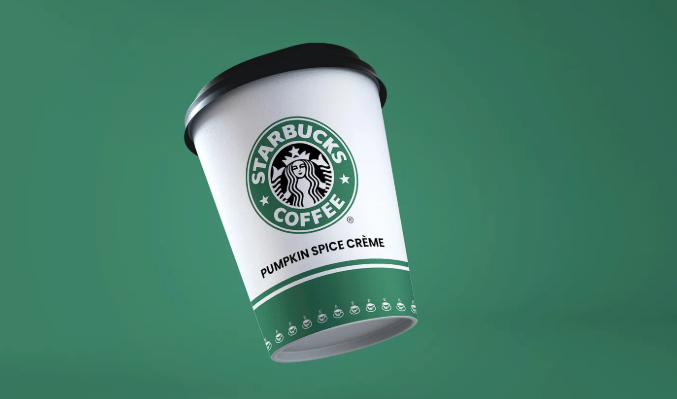
Starbucks realized that kitchens were bottlenecks during high-volume delivery periods.
What They Did
- Built pickup-only and delivery-first stores.
- Integrated directly with delivery apps to reduce order collisions.
- Standardized packaging optimised for heat retention and spill-proof transport.
Result
Delivery time dropped, order accuracy improved, and operational pressure reduced across busy city outlets.
Operational design not marketing drives delivery consistency.
Case Study 5: IKEA — Making Big-Item Delivery Predictable
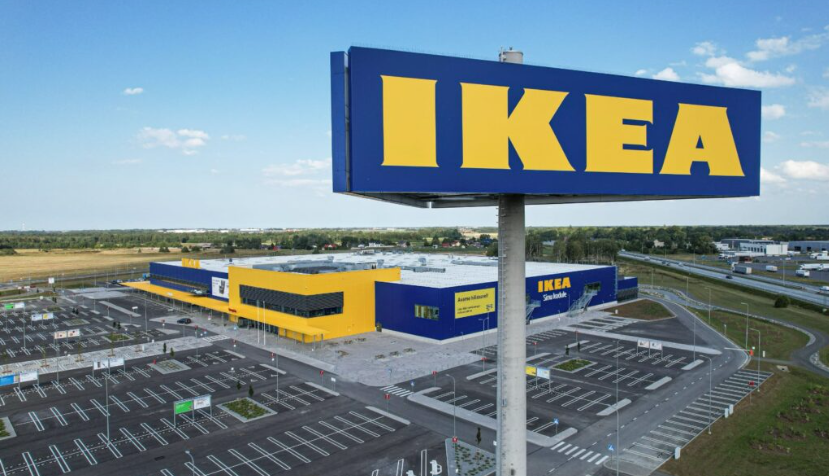
Large-item logistics is notoriously complex. But IKEA used route clustering and scheduled delivery windows to make bulky shipments fast and predictable.
What They Did
- Used zonal delivery scheduling to batch nearby orders.
- Partnered with last-mile tech platforms to offer real-time shipment tracking.
- Increased home furnishing upsells because customers trusted the delivery timeline.
For large goods, predictability beats speed. Customers want accurate appointment scheduling, not “ASAP.”
Overall Lessons Across These Case Studies
Across all these brands, three patterns repeat:
1. Proximity Wins
Whether through dark stores, micro-fulfillment centers, or optimized kitchen layouts — closer inventory = cheaper last mile.
2. Technology Is the Real Differentiator
Real-time visibility, route optimization, and automated fulfillment directly correlate with:
- Higher delivery success rates
- Lower cost per order
- Better customer satisfaction
3. Control Matters
Brands that own or deeply integrate their delivery systems outperform those that rely entirely on third-party apps.
FAQs
1. Why is last-mile delivery so expensive for retailers and restaurants?
2. What is the best last-mile model for small restaurants?
3. How can retailers deliver faster without increasing expenses?
4. Is hyperlocal delivery (10–30 minutes) sustainable long-term?
5. What technologies help reduce delivery failures?
6. Should businesses fully depend on delivery aggregators?

