

Every successful startup begins with an idea, but long before customers understand what you sell, they notice one thing first. Your name. It appears on your website, your emails, your social profiles, and even in word-of-mouth conversations. A strong startup name can spark curiosity and trust, while a weak one can quietly hold your business back. Many founders rush this step, only to regret it later. Taking the time to choose the right name can shape how people feel about your brand from day one.
Apart from deciding what your startup does, selecting the right name is one of the most important early decisions you will make. A good name helps people remember you, find you online, and talk about you with confidence. It should feel natural, meaningful, and easy to say. At the same time, it must work in the digital world, where domains, hosting, and search visibility matter just as much as creativity.
Understanding What Makes a Good Startup Name
When choosing a startup name, many factors come into play. You need to think beyond how the name sounds today and imagine how it will feel years from now. Will it still fit if your business grows or expands into new markets? Will people spell it correctly when searching online? Will it look professional on a website or app?
Availability is another major concern. A great name loses its power if the domain name or social media handles are already taken. Before getting attached to an idea, it helps to understand how naming decisions connect with your online presence. This is closely tied to choosing the right hosting and setup, which is explained well in this guide on web hosting solutions for online business.
Choosing a Naming Style That Fits Your Brand
Startup names often follow certain styles, even if founders do not realize it at first. Some names are fully brandable and made-up, which makes them unique and flexible. Others combine real words to explain the product quickly. Some businesses use personal names to build trust, while others rely on playful sounds or creative spelling to stand out.
There is no single best style. What matters is whether the name matches your audience and your long-term vision. A tech startup may want a modern, abstract name, while a service-based business may benefit from clarity and familiarity. The key is alignment. Your name should support your story, not confuse it.
Brainstorming Without Pressure
Once you understand your direction, brainstorming becomes easier. This stage works best when you allow ideas to flow freely without judging them too quickly. Write everything down, even ideas that seem odd at first. Some of the strongest brand names start as rough concepts that improve over time.
Using brand name generators can help spark ideas, especially when you feel stuck. These tools are not meant to give you the final answer but can help you explore new word combinations and sounds. Pair this with manual brainstorming to keep your ideas grounded in meaning.
Checking Domains and Online Availability
A startup name must live online. Before finalizing anything, check domain availability and social media usernames. A name that cannot be owned digitally can cause confusion and hurt credibility. Even small differences in spelling can send potential customers to the wrong place.
Your name and domain choice also connect to how your business is hosted and managed online. If you plan to run a platform or service-based site, understanding backend tools is helpful. Resources like open source web hosting scripts account explain how startups can manage accounts and services more efficiently as they grow.
Saying It Out Loud and Writing It Down
A good startup name should sound good when spoken and look good when written. Say it out loud several times. Use it in a sentence. Imagine answering the phone with it or seeing it on an invoice. If it feels awkward, it may not be the right fit.
Writing the name down also reveals issues you might not notice otherwise. Long or complex spellings can create friction. Simple names are often easier to remember and share.
Getting Feedback That Matters
Feedback plays a key role in naming. Share your top choices with people whose opinions you trust. This could include potential customers, team members, or mentors. Ask them how the name makes them feel and what they think the business does based on the name alone.
Creating a simple survey can help you gather honest opinions without pressure. Patterns in feedback are more important than individual comments. If many people struggle to pronounce or understand the name, that is worth paying attention to.
Turning Your Name Into a Real Business
Once you have the right name, the next step is building around it. This includes your website, hosting, and any software needed to run your startup smoothly. Many founders underestimate how important reliable systems are in the early stages. Articles like complete hosting management software highlight how proper tools support growth and reduce future headaches.

At iScripts, we help startups move from idea to execution. Whether you are launching a marketplace, a service platform, or a hosting based business, our ready made software solutions save time and reduce development costs. With scalable products and expert support, iScripts helps you focus on building your brand while we handle the technical foundation. Start strong with the right name and the right tools, and give your startup the best chance to succeed.













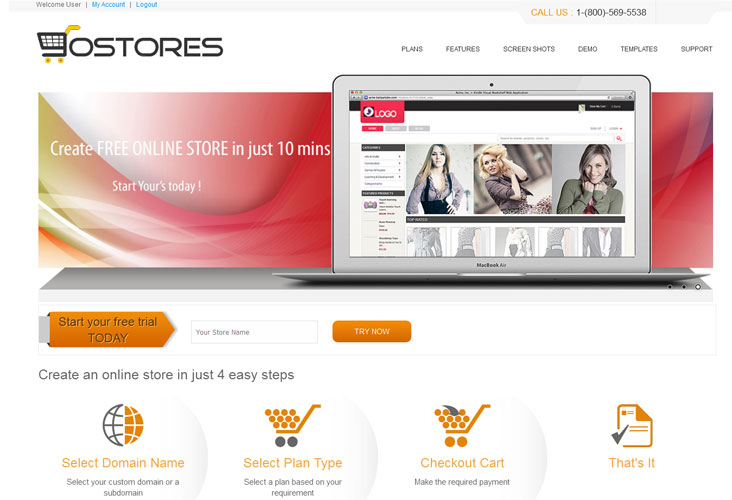
 Take the first step toward launching a feature-rich eCommerce store today.