
Imagine needing a business loan but not wanting to deal with slow banks, heavy paperwork, or unclear fees. At the same time, imagine having extra money and wanting better returns than a savings account can offer. This is where peer-to-peer lending steps in. It brings borrowers and investors together on one digital platform and removes the middle layers. This modern approach to lending is changing how people borrow and invest, and understanding it can open new opportunities for both sides.
1.What Is Peer-to-Peer (P2P) Lending?
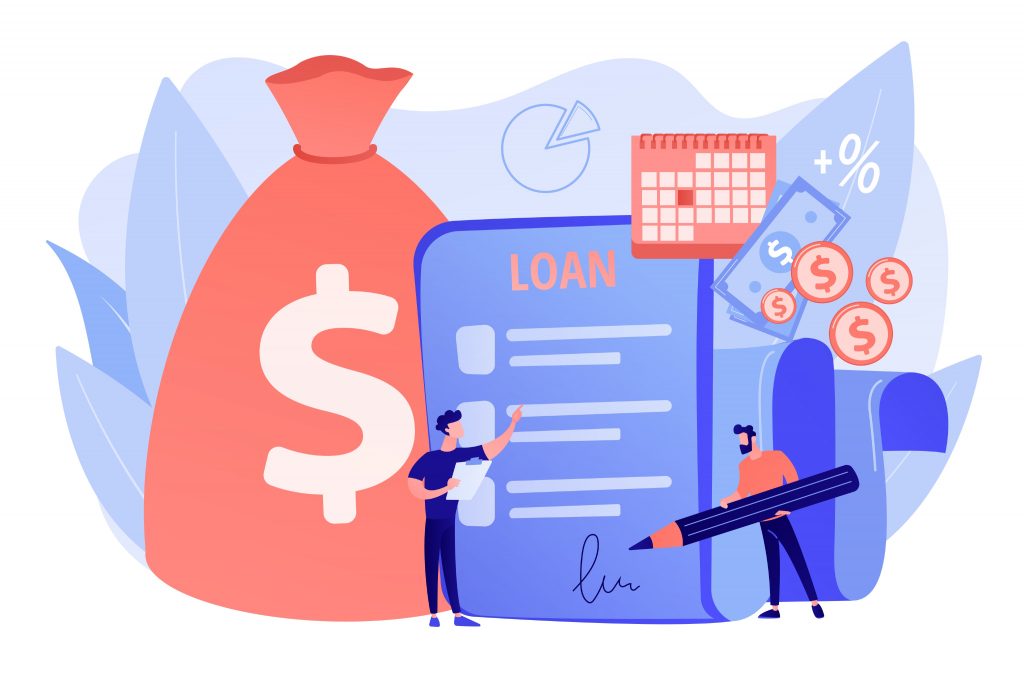
Peer-to-peer lending is a type of business loan where money comes from many individual investors. These investors fund a borrower through an online platform.
- Borrowers receive funds directly from people, not banks
- Investors earn interest on the money they lend
- The P2P platform connects both parties and manages the process
The main idea is simple. Both borrowers and lenders get better interest rates than they usually would from traditional banks.
2.How Is P2P Lending Different from Traditional Loans?
Peer-to-peer lending works very differently from bank loans.
- You borrow from a group of people, not a financial institution
- The platform supports the loan but does not lend its own money
- The loan application is still done through the P2P provider
- Processes are faster and more transparent
This model reduces delays and removes many hidden costs that banks often include.
3.How Do P2P Marketplace Owners Make Money?
One of the strongest features of P2P lending is transparency. Unlike banks, P2P platforms clearly explain their fees.
- Most platforms charge a service or origination fee
- Some charge lenders a small percentage of interest earned
- Fee details are shared openly on the platform
The goal is clarity. Users know exactly how the platform earns money and what they are paying for.
Further reading: How does a P2P Lending Business Owner Make Money?
4.Is Peer-to-Peer Lending High Risk?
Peer-to-peer lending can offer attractive returns. Some platforms show estimated yearly returns of 7, 9, or even 11 percent. However, it is not risk-free.
It is important to remember that P2P platforms act as intermediaries. Their main role is to connect borrowers with investors.
Key Risks You Should Know
Before investing, be aware of these common risks:
- Borrowers may delay payments or default
- The loan originator may fail financially
- The P2P platform itself may shut down
- Recovering funds can be difficult in such cases
Understanding these risks helps investors make informed decisions.
Why Borrowers Choose P2P Lending
Peer-to-peer lending can be attractive to borrowers for many reasons.
- Lower interest rates than traditional bank loans
- Faster approval and funding process
- Easier access for people with limited credit history
- Flexible use of funds
This makes P2P lending a strong alternative for small businesses and startups.
Advantages of P2P Lending for Investors
Investors also gain clear benefits.
- Higher returns compared to many other investments
- Ability to diversify investments across borrowers
- Transparent performance tracking
- Direct involvement in lending decisions
These factors make P2P lending appealing to modern investors.
5. Is P2P Lending Legal?
Laws around peer-to-peer lending vary by country. In many regions, raising money from the public is regulated.
- Loans can be treated as securities
- Platforms may need broker-dealer licenses
- Investment contracts often require registration
Legal compliance is essential for any P2P lending platform to operate safely.
Popular Peer-to-Peer Lending Platforms
Some well-known P2P lending platforms include:
These platforms have helped shape the global P2P lending industry.
6. Do You Pay Tax on P2P Lending Income?
Tax rules are clear when it comes to interest income.
- The interest portion of EMI is taxable
- The principal amount is not taxed
- Interest income is added to total yearly income
- Tax rates depend on the lender’s income slab
Lenders should always consult local tax rules before investing.
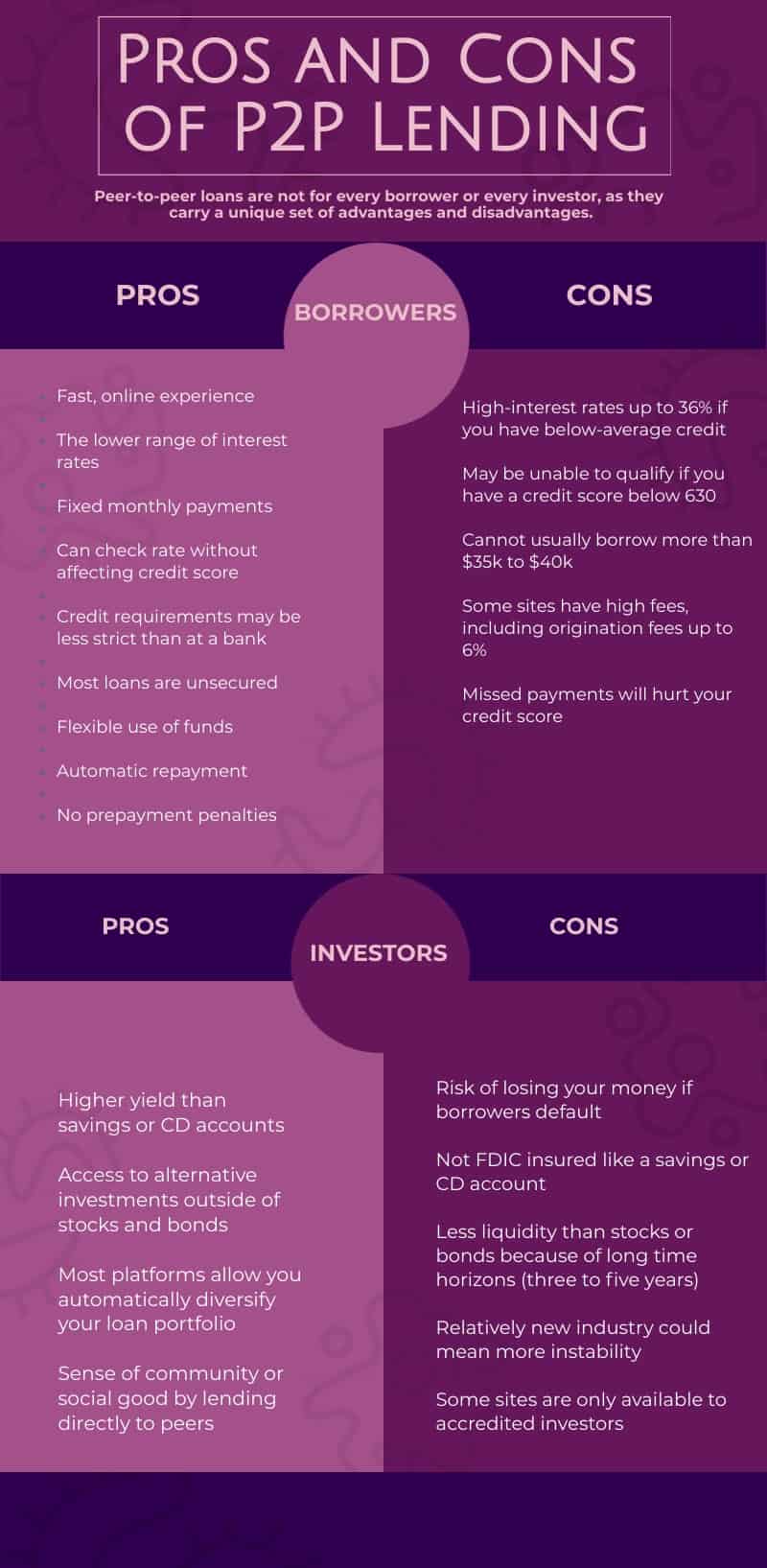
Pros and Cons of P2P Lending
Before entering the P2P lending space, consider both sides:
Pros
- Better returns for investors
- Easier funding for borrowers
- Lower interest rates
- High transparency
Cons
- Risk of borrower default
- Platform failure risk
- Limited legal protection in some regions
Want to Build Your Own P2P Lending Platform?
If you are an entrepreneur and want to launch a peer-to-peer lending platform like Prosper or Kiva, we can help.
- We offer an open-source P2P lending software called SocialWallet
- Comes with both Web Platform and Mobile App
- Built for businesses ready to scale
Explore the demo of SocialWallet and get a free consultation from our technical team at iScripts to turn your idea into reality.

Build Launch and Scale Your Own Peer to Peer Lending Platform

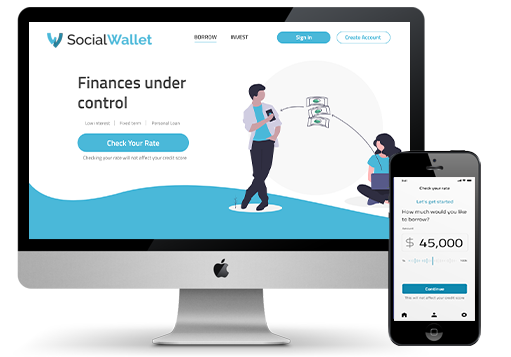
Check out iScripts SocialWallet

