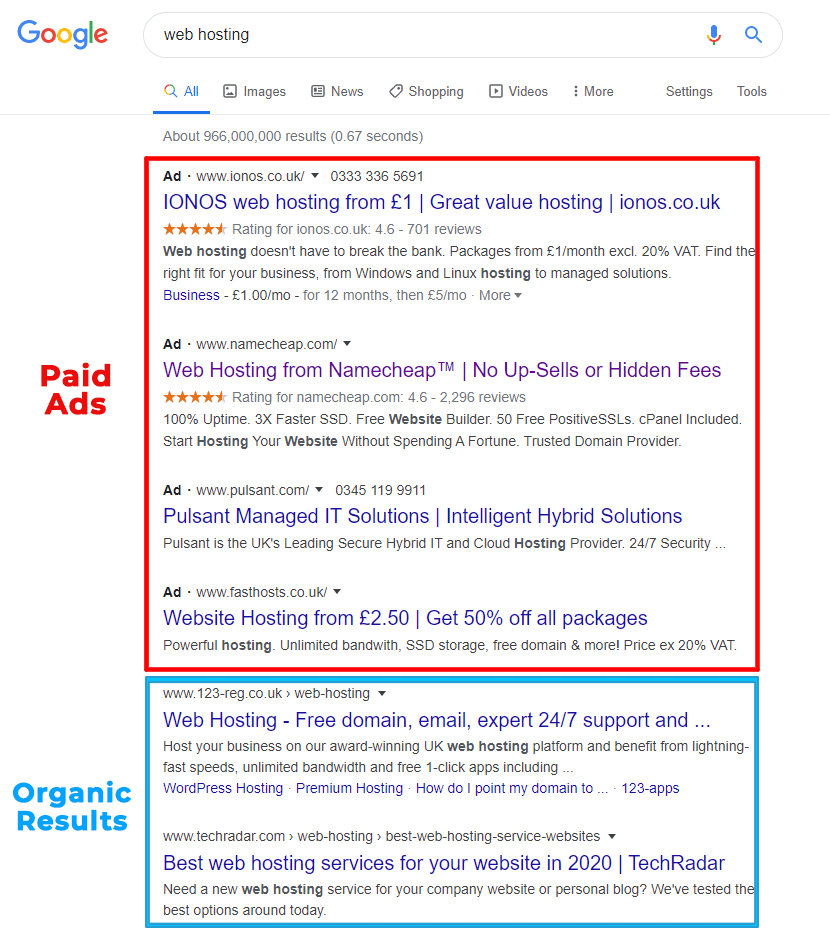

Imagine you have a brilliant business idea, a perfect website, and amazing products. But no one finds you online. Frustrating, right? In today’s digital world, this is a common challenge. The secret to getting noticed lies in Search Engine Optimization (SEO). While SEO can seem complex and overwhelming with all the conflicting advice out there, it doesn’t have to be. With the right steps, you can make your website visible, attract quality traffic, and grow your business online.
Here’s a practical guide to help startups and digital marketers navigate SEO effectively:

SEO Checklist
1. Set Up Your SEO Foundation
Before you dive into content and keywords, start with a strong SEO base. A good foundation makes your efforts measurable and organized.
Key steps for your SEO foundation:
-
Strategy: Align SEO with your marketing goals, budget, and technical capacity.
-
Implementation: Set up tracking tools like Google Search Console, Bing Webmaster, Google Analytics, and optional tools like HubSpot or Yoast.
Things your SEO strategy should include:
-
Goals and objectives
-
Strengths and weaknesses
-
Marketing funnels
-
Competitor analysis
-
Scalability plans
-
Topic clusters
-
Understanding customer behavior
Check out: Useful Business Tools You Should Consider
2. Focus on User Experience
Google now rewards websites that offer great user experience. This goes beyond keywords and backlinks.
Core factors to improve user experience:
-
Largest Contentful Paint (LCP)
-
First Input Delay (FID)
-
Cumulative Layout Shift (CLS)
-
Mobile-friendliness
-
HTTPS for secure browsing
-
No intrusive pop-ups
3. Keyword Research
Keywords are the backbone of SEO. Use the right types of keywords to target your audience effectively.
Types of keywords:
-
Pillar Keywords: Broad and competitive, like “Digital Marketing.” Build authority around them.
-
Long-tail Keywords: More specific, e.g., “Digital Marketing for Shopify stores.” Easier to rank and attract targeted traffic.
-
Short-tail Keywords: One or two words, often similar to pillar keywords. Good to own early if competition is low.
Tools for keyword research:
-
Google Suggest & related searches
-
Google Keyword Planner & Trends
-
SpyFu, SEMrush
-
Keywords Everywhere (browser extension)
4. On-Page SEO
On-page SEO ensures your website is optimized for both search engines and users.
Checklist for on-page SEO:
-
Keep URLs short and keyword-friendly
-
Use H1, H2, H3 tags for structure
-
Include keywords in titles and first paragraphs
-
Use synonyms instead of exact keywords
-
Add internal and external links
-
Compress images & add alt tags
-
Embed videos and use CDN for speed
-
Optimize for rich snippets
5. Content Optimization
Content is king, but quality content matters most.
Best practices In Content Optimization:
-
Solve your reader’s problem
-
Write catchy titles and intros
-
Keep sentences short and readable
-
Use active voice
-
Add table of contents with anchor links
-
Create cornerstone (long-form) articles
-
Link smaller articles to cornerstone content
-
Use lists, tables, and short paragraphs for featured snippets
-
Refresh outdated content regularly
6. Off-Page SEO
Off-page SEO improves your website’s authority and visibility outside your pages.
Main tactics:
-
Link Building: Guest posts, references, reviews, forums, press releases
-
Social Media: Share content, gain mentions and traffic
-
Local SEO: Create a Google My Business page for location-based search visibility
Check out: Improve Customer Satisfaction in your Online Business.
Keep Up with Changes
SEO is constantly evolving. Major algorithm updates are rare but impactful. Minor changes happen regularly. Stay updated with best practices and avoid shortcuts like keyword stuffing or low-quality links.
Conclusion:
SEO may seem complicated, but with a solid foundation, focus on user experience, smart keyword research, quality content, and off-page efforts, your website can achieve higher rankings and attract the right audience. Keep learning, stay consistent, and your digital presence will grow.