
The Shift from General Apps to Vertical Platforms
On demand platforms are digital applications that allow users to request services or products instantly, exactly when they need them. For a long time, generic apps have provided a wide range of services on a single platform, including home services, transportation, and food delivery. Nevertheless, these applications frequently lack depth and specialization. Unlike multi-service ‘super apps’ that try to do everything in one place, vertical on-demand platforms are built with industry-specific features and workflows.
Users now select these specialized platforms because they provide a more seamless experience, more transparent service options, and higher quality results. Businesses are being forced to shift away from broad apps and invest more in tailored on demand solutions due to market considerations like the need for industry specific capabilities, and the desire for personalized services.
What Are Vertical On-Demand Platforms?
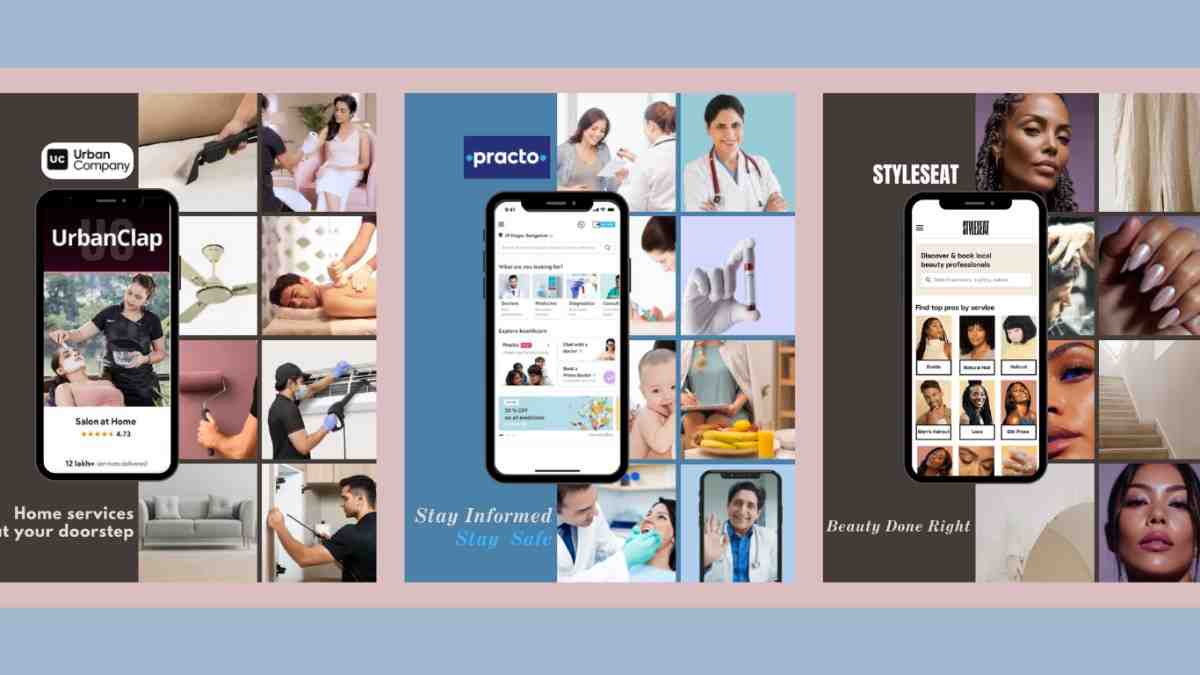
Vertical on-demand platforms are digital applications designed to serve one specific industry or type of service. Instead of offering many unrelated services, these platforms focus on meeting the exact needs of a particular market, such as home service business, healthcare, logistics, beauty, or legal assistance.
A closer look at on-demand services dominating the top 10 industries shows how specialized platforms meet evolving user needs. This focused approach supports better customization, smoother operations, and tools designed for real-world requirements, creating a more reliable experience for users and service providers.
Limitations of Horizontal apps
-
One-size-fits-all approach
General or horizontal apps try to serve many services on one platform, making it hard to meet the unique needs of specific industries.
-
Lack of industry-specific features
These platforms often miss advanced, industry-specific tools that professionals and customers expect from specialized services.
-
Crowded and confusing user experience
Offering too many services in one place can overwhelm users and make the platform difficult to navigate.
-
Limited compliance support
General apps struggle to meet strict regulations and compliance requirements in industries such as healthcare and legal services.
-
Lower user trust for specialized services
Because of these limitations, users may hesitate to trust horizontal platforms for professional or highly specialized services.
Why On-demand Apps are the future
Hyper Focused User Experience and Stronger Trust in Niche Markets
Because vertical on-demand platforms focus on a single service, they offer a more streamlined and efficient user experience. Their purpose-built workflows, simple onboarding, and clear navigation help users and service providers complete tasks quickly and easily. This focused approach builds strong brand authority and trust through verified professionals and clear service expectations, encouraging users to return to the platform. Less crowded markets and niche specialization allow platforms to stand out, establish product-market fit faster, and compete effectively against general horizontal platforms.
Industry Specific Features and Integrations
Vertical on-demand platforms are built with features tailored to the specific operational needs of a single industry. Instead of using generic tools, they offer specialized functionalities that support everyday workflows more effectively. They also support professional requirements like licenses, certifications, credentials, and legal compliance. In addition, automated, industry-specific processes improve service speed, accuracy, and reliability while reducing manual effort. Industry-specific analytics provide actionable insights, allowing platforms to understand consumer behavior, predict demand accurately, and improve service quality.
Higher Conversion, Retention, and Easier Monetization
Higher conversion rates result from vertical on-demand platforms’ ability to draw in a specific audience that is already searching for a certain service. The platform can provide individualized services that feel more pertinent since it has a deeper understanding of consumer demands. This specialized value encourages repeat usage and helps retain customers for longer periods. Compared to generic platforms, users are less likely to leave, resulting in reduced churn.
Focused approach enables quicker entry into the market compared to broad, multi-industry expansion. In addition, these platforms support easier monetization through premium pricing for expert services, industry-specific subscription plans, and fair commission models that match the value of the service. Since users trust the platform’s expertise, they are more willing to pay for quality and reliability.
Building the Future of On-Demand Services
Vertical on-demand platforms provide a significant competitive edge for both existing businesses and startups. Operating in a narrow niche, they face less competition than general horizontal apps, allowing them to clearly convey the value of their services and differentiate themselves. By addressing specific industry challenges, these platforms can build a loyal user base and achieve product-market fit more quickly. Their specialized approach enables them to compete effectively with larger horizontal platforms, which often lack the depth and flexibility required for niche services.
 With the growing demand for personalized experiences and the increasing use of automation and artificial intelligence, vertical platforms are expected to play a key role in shaping the future of the on-demand economy, particularly as professional and regulated services continue moving online.
Using a ready made solution could be quite beneficial for companies wishing to swiftly build and implement a vertical on-demand platform. With systems like iScripts UberforX, companies can create customizable, industry focused on-demand markets without having to start from scratch. For insights on growing and monetizing a vertical on-demand platform, see best practices for growing an on-demand video platform.
