

Many startups fail not because the idea is bad, but because no one actually wants the product. This is a hard truth that many founders learn too late. Building something exciting feels good, but building something people truly need is what creates success. Before you spend time, money, and energy, you must first understand who your customers are and what problems they want solved. This blog will walk you through how to research, test, and improve your product so you can build something people will actually use and pay for.
A startup is a business built around a new idea, product, or service. Sometimes, it is an existing company moving in a new direction. Every day, entrepreneurs across the world turn ideas into businesses. But ideas alone are not enough. Customers are what keep a startup alive. You also need people who believe in the idea enough to invest their time and resources to help it grow.
Before spending months building a product, every founder must ask one important question. Is there a real market for this idea? If customers do not care, the product will fail. Understanding why people choose certain brands and products helps you avoid this mistake. Knowing who you are building for matters more than what you are building. If your product does not solve a real problem, customers will ignore it. That is why early testing with real people is so important.
Product Research
Product research helps you understand what customers want, need, and expect. It gives you ideas for features and helps shape your product plan. Research should always come before building. You do not want to waste resources on a product no one will buy.
Below are simple and effective ways to do product research:
-
Interview Your Existing Customers
If you already have customers, they are your best source of information. They understand your brand and represent your target audience. Talking to them helps you plan your next product with more confidence.
You can send a survey or speak to them directly. Ask what they liked about your product. Ask what they did not like. Ask what they wish existed. Their answers will guide your next steps and help you build something users actually want.
-
Look for Ideas on Pinterest
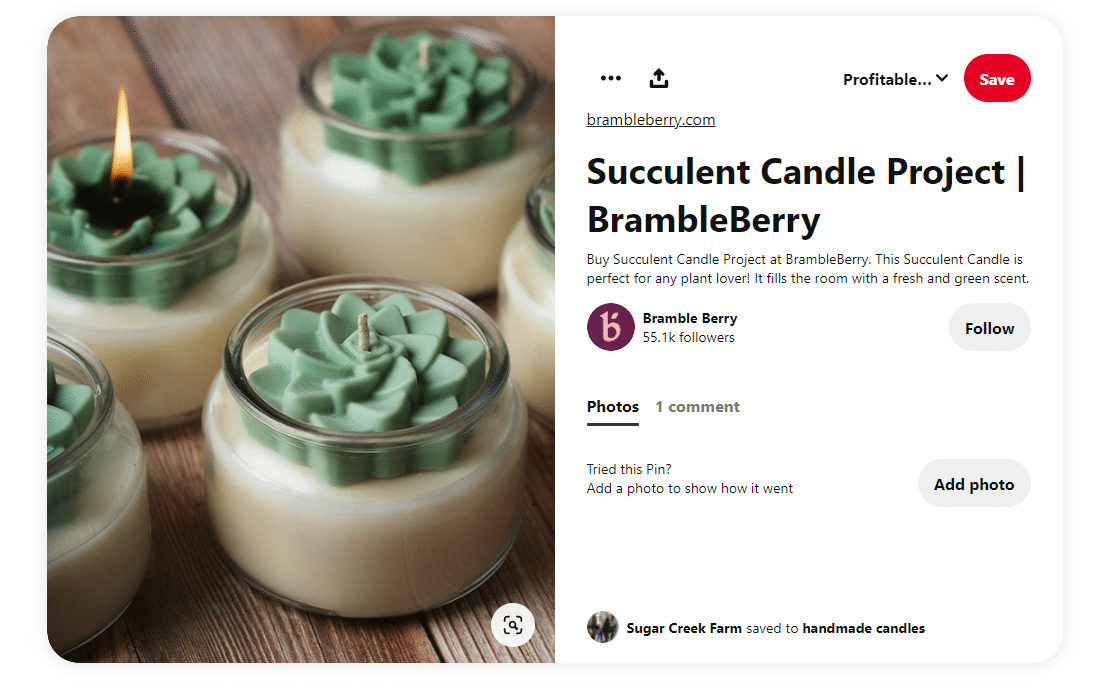
Pinterest is a powerful tool for creativity and inspiration. It is full of ideas, designs, and trends. Search for terms related to your product and explore the results.
For example, if you want to create handmade candles, search for that term. Look at the designs and read the comments. Comments often reveal what people love or dislike. This helps you spot gaps and new ideas. Pinterest is a great place to understand taste and demand.
-
Read Product Reviews
Reviews are honest opinions from real users. Read reviews on your own products and on your competitors’ products. Platforms like Amazon and Trustpilot are useful for this.
Look for common complaints and repeated praise. These insights show you what works and what does not. Listening to customer feedback helps you improve both your product and the overall experience.
-
Use Google Trends
Google Trends shows what people are searching for right now. This data comes directly from Google, so it is reliable.
You can type a keyword related to your idea and check interest over time. This shows whether demand is growing or falling. You can also explore related topics and search queries to find new opportunities.
You can also check trending searches. These show what people are interested in today. You can filter by country and category to get better insights.
-
Study Your Competitors
Your competitors can teach you a lot. Look at what they offer and how their products are different. Do not copy them. Instead, learn from them.
If a competitor has more features or better reviews, understand why. Staying aware of the market helps you stay competitive and avoid falling behind.
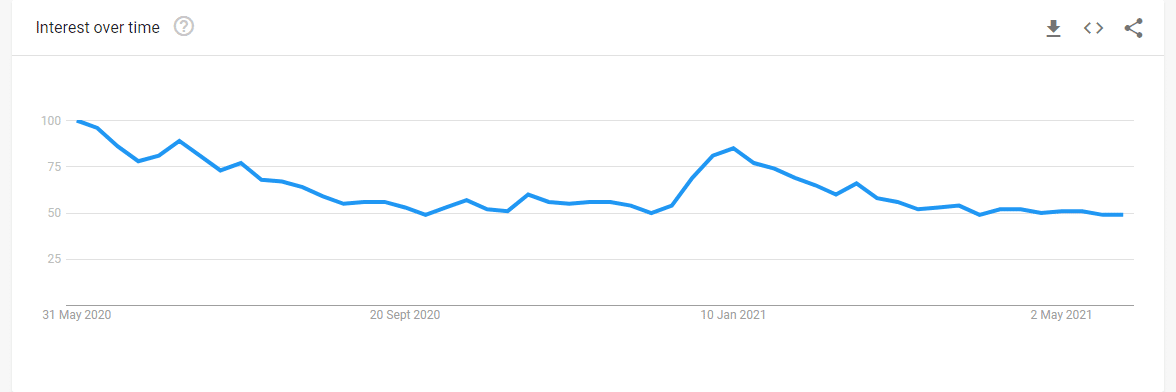
This will help you to see if there is a market for your product idea. You can also scroll down, and look at the “Related topics” and “Related queries” sections to view other topics and queries that people are searching that are related to the keyword that you entered.
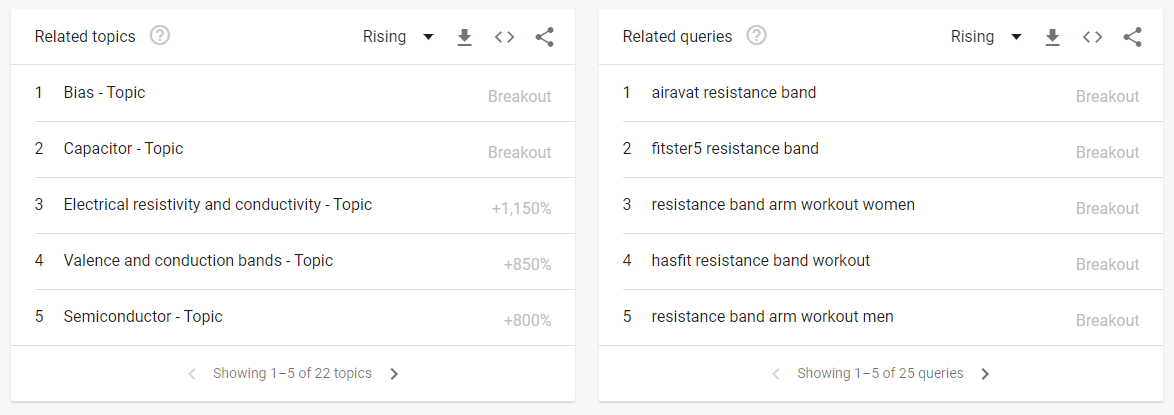
This will help you to see other topics and products that are related to your product idea.
Take a look at recently trending searches:
On the Google Trends home page, if you scroll down to the “Recently trending” section, and click “More trending searches”, you can discover searches that are trending right now! You can sort to see daily search trends, or real-time search trends, and you can also select the country that you want to see data for. If you select “real-time search trends”, you can even pick a category that you want to see trending searches for.
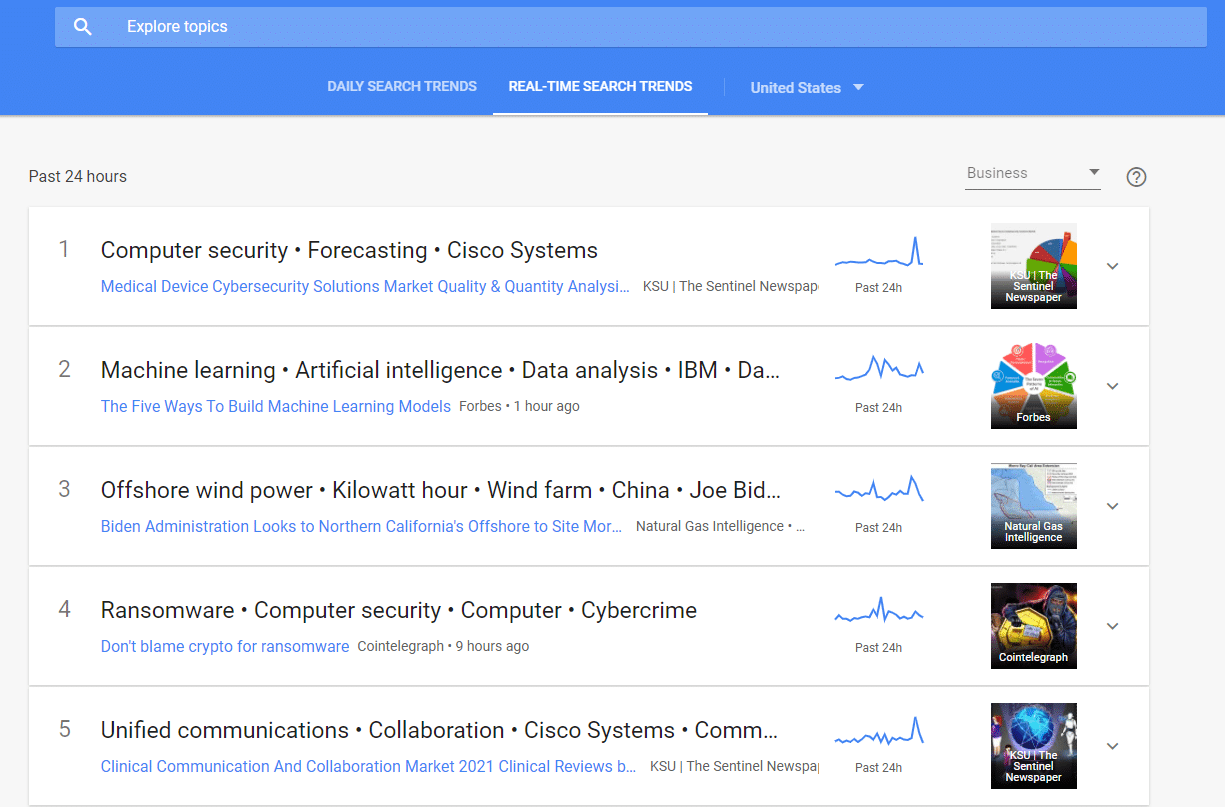
Google Trends is a very powerful tool, and all of the data is straight from Google, so you can trust that it is accurate.
-
Look at your Competitor’s Products
Another great way to conduct product research, is to look at what your competitors are offering. Don’t just copy what they are doing, but look at their products or services, and see what doing well, and use that information to inspire your own product. If you and your #1 competitor are selling a similar product, but theirs has more features, theirs will be more successful and sell more. You need to keep up-to-date with what your competitors are doing, to ensure that you don’t fall behind. To learn more about product research, and to see some of the best research techniques, read this post.
Product Testing
Once your product is built, testing becomes essential. Testing helps you find problems early and fix them before launch. Start with a simple version of your product and improve it step by step.
-
A/B Testing
A/B testing compares different versions of the same product. Each version has small changes. You then test them to see which performs better.
This method helps you understand what users prefer. It is commonly used in product design, marketing, and user experience testing.
-
Real-World Testing
Products must be tested where they will be used. Give your product to real users. This includes friends, family, testers, and people from your target market.
Watch how they use it. Listen to their feedback. Real-world testing shows whether your product is helpful and easy to use.
-
Strength and Safety Testing
Products must be safe and reliable. Test how long your product lasts and how it handles regular use. Physical products must meet safety rules before being sold.
For digital products, test performance. See how many users can use the product at once without issues.
Product Feedback
Before selling, collect feedback from testers and early users. Surveys are one of the best ways to do this.
-
Keep Surveys Short
People have limited attention. Keep surveys short and clear. Aim for fewer than 30 questions and under 10 minutes.
-
Offer an Incentive
People give better feedback when they feel rewarded. Offer a discount or free item for completing the survey.
-
Ask Open-Ended Questions
Avoid only yes or no questions. Open-ended questions give deeper insights. Balance them with simple questions to keep the survey easy.
Some useful questions include:
-
How can we improve this product?
-
What is the main benefit you received?
-
Would you recommend this product?
-
Would you use it again?
-
How much would you pay for it?
Always include space for additional feedback. This allows users to share thoughts you may not have asked about.
My three favourite survey platforms are Google Forms, SurveyMonkey, and Typeform, give them a try and see which suits you best.
Tips for Building a Successful Product
-
Keep It Simple
Simple products are easier to use and easier to sell. Focus on the core idea. Launch early and improve based on feedback.
-
Solve a Real Problem
The best products solve real problems. Think about daily challenges people face. Build something that makes life easier.
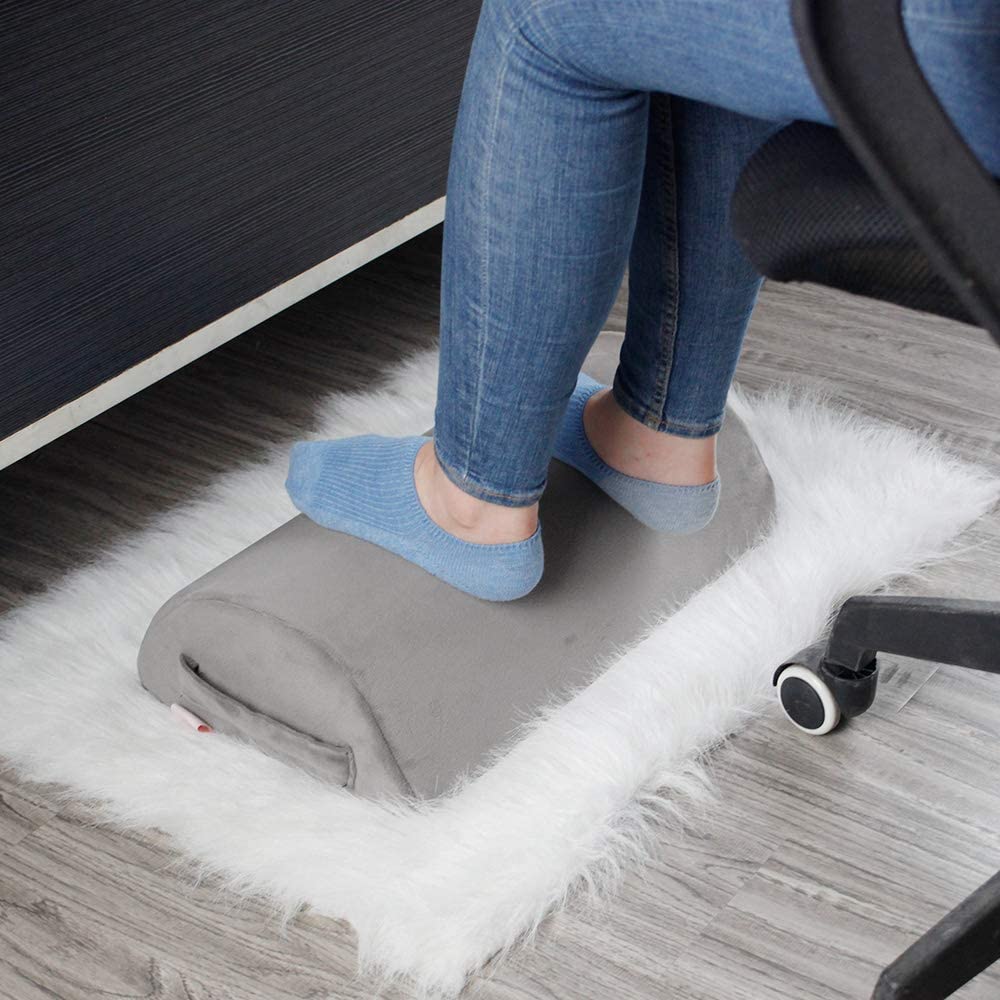
Look at this ergonomic foot rest for example:
-
Do Not Overthink the Launch
Your first launch is about learning, not perfection. Share your idea early and gather feedback. Use the launch as a learning phase.
-
B2B Is Often Easier Than B2C
Selling to businesses can be easier than selling to consumers. Businesses buy products that save time, reduce costs, or increase profits. They also tend to place larger orders.
Once your product is tested, refined, and priced, the final step is simple. Start selling, keep learning, and keep improving.
Now all you need to do is price your product or service, and start selling!

We help you build your dream project!

